St. Maarten has always been a destination that inspires people to return. Long before the island became known worldwide for its beaches, restaurants, nightlife, and international atmosphere, it was already developing a loyal following of repeat visitors.
During the growth of tourism in the 1960s and 1970s, many travelers discovered St. Maarten and quickly became regular visitors. They returned year after year, building a personal connection with the island and its people. For these recurring visitors, the timeshare concept offered a natural way to secure their favorite vacation spot and enjoy regular stays in a familiar resort environment.
This connection between visitors and destination helped make St. Maarten one of the Caribbean’s most established timeshare destinations. Several resorts began offering vacation ownership, while others were developed specifically around the timeshare concept.
Timeshare on St. Maarten was never only about owning a week in a resort. For many owners, it became a way of maintaining a long-term relationship with the island — returning to the same beaches, restaurants, neighborhoods, and familiar faces year after year.

The island’s early experience with timeshare also contributed to the evolution of the industry in the Caribbean. St. Maarten is often associated with the development of the “pool” system at the then Mullet Bay Resort, where unused owner weeks can be returned to the market and made available to other travelers.
While vacation ownership models have developed worldwide, St. Maarten was one of the destinations where these concepts grew alongside a strong repeat visitor market.
The island’s timeshare industry became particularly visible during the development boom of the 1980s and 1990s. The Pelican Key and Simpson Bay areas became the center of much of this growth, with several resorts being built or expanded to accommodate increasing demand. Curacaolean entrepreneur Martin Vlietman (1935-2020) was a pioneer in this Pelican development timeframe. He introduced the timeshare concept in St. Maarten, involved in the construction of Atrium Resort, Pelican Resort (now Simpson Bay Resort and Marina), and the Flamingo and Royal Palm Resorts.
The Pelican area’s transformation during this period was even captured on film, serving as a backdrop for the 1991 movie Once Around, starring Richard Dreyfuss.

As timeshare became an important part of tourism on St. Maarten, the island also developed organizations and communication channels dedicated to owners and visitors.
The St. Maarten Timeshare Association (SMTA) was established in 1996 to represent the interests of the timeshare sector and help maintain the quality of the visitor experience.
The destination also developed dedicated media and visitor information aimed at timeshare guests, reflecting the importance of this group within the island’s tourism industry.

For visitors unfamiliar with timeshare, the concept can sometimes sound very different from a traditional hotel stay. On St. Maarten, however, the difference is often difficult to notice. Modern timeshare resorts generally operate like regular resorts. Many properties offer accommodations to the general public in addition to serving their timeshare owners.
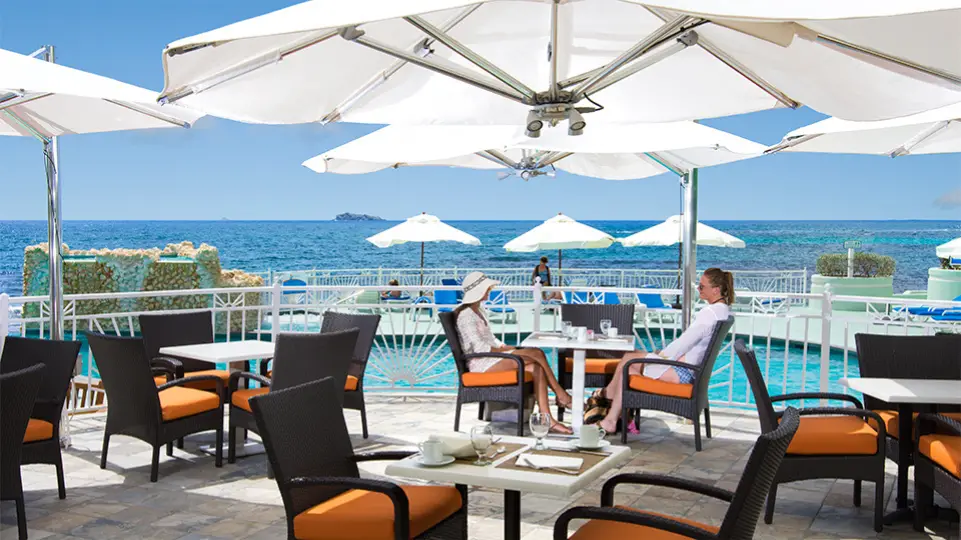
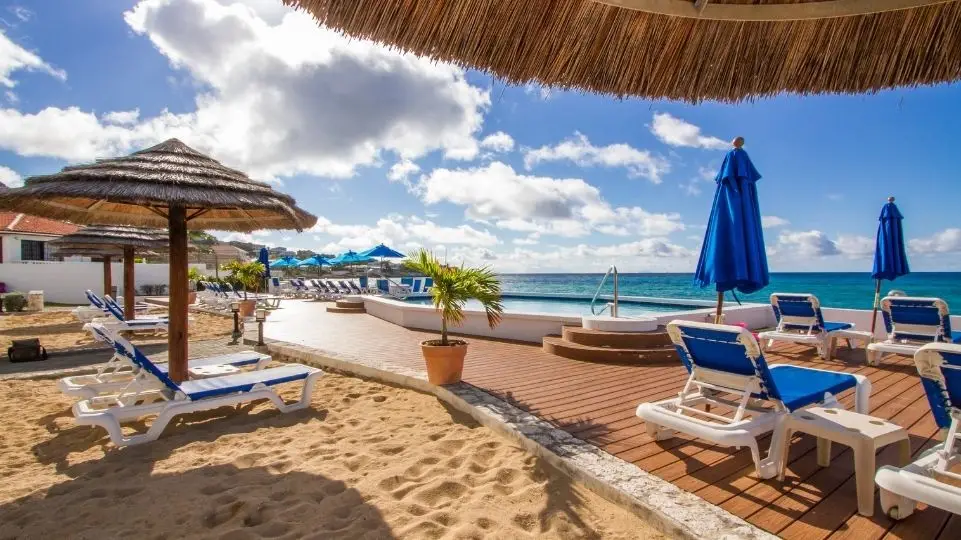
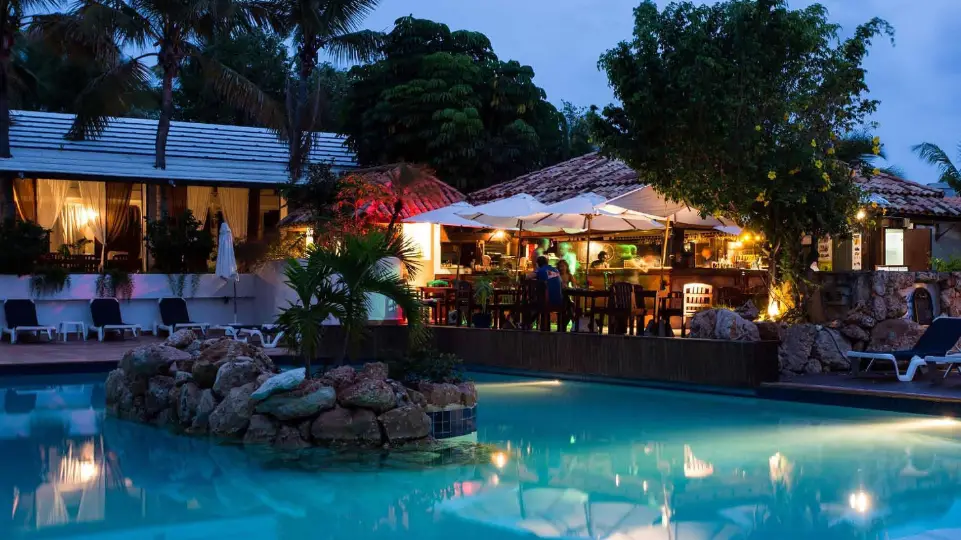
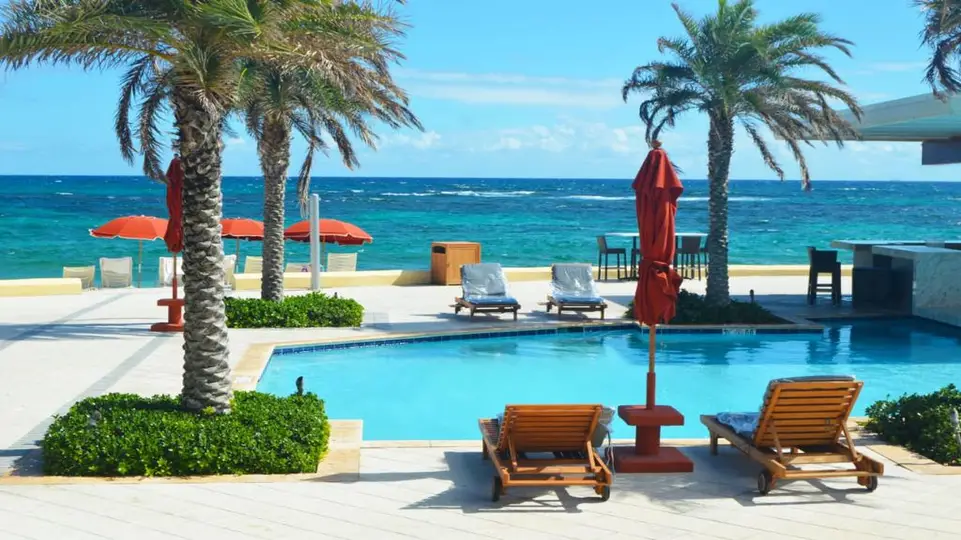
Non-timeshare guests are welcomed and can enjoy the same resort facilities, including beaches, pools, restaurants, activities, and services. The main difference is the ownership arrangement behind certain accommodations, not the holiday experience itself.
Many St. Maarten timeshare resorts also offer larger apartment-style accommodations with kitchens and living areas, making them especially popular with families, couples staying longer, and repeat visitors.
All major timeshare resorts on the island are located on the Dutch side of St. Maarten. They are concentrated mainly around Little Bay, Simpson Bay, Pelican Key, Maho, Cupecoy, Oyster Pond and Dawn Beach.

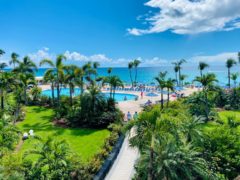
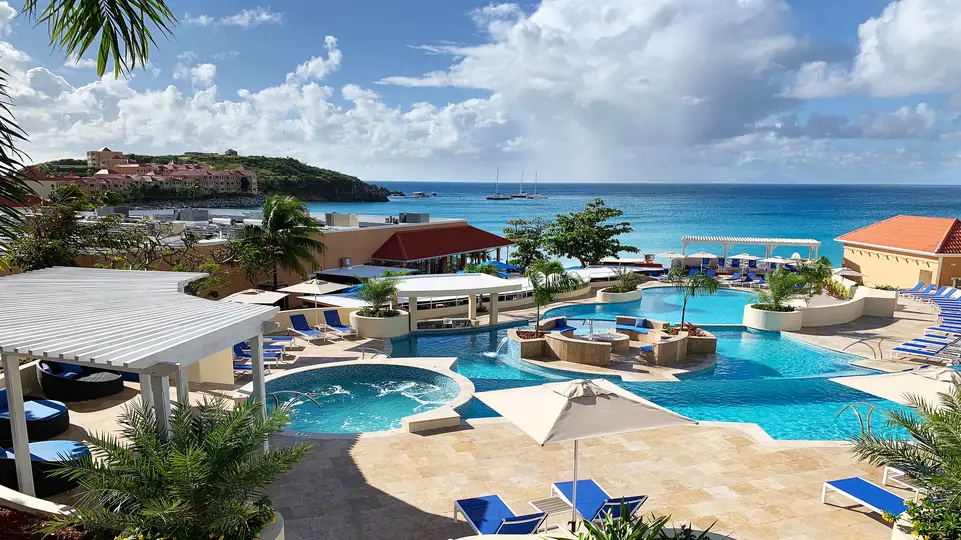
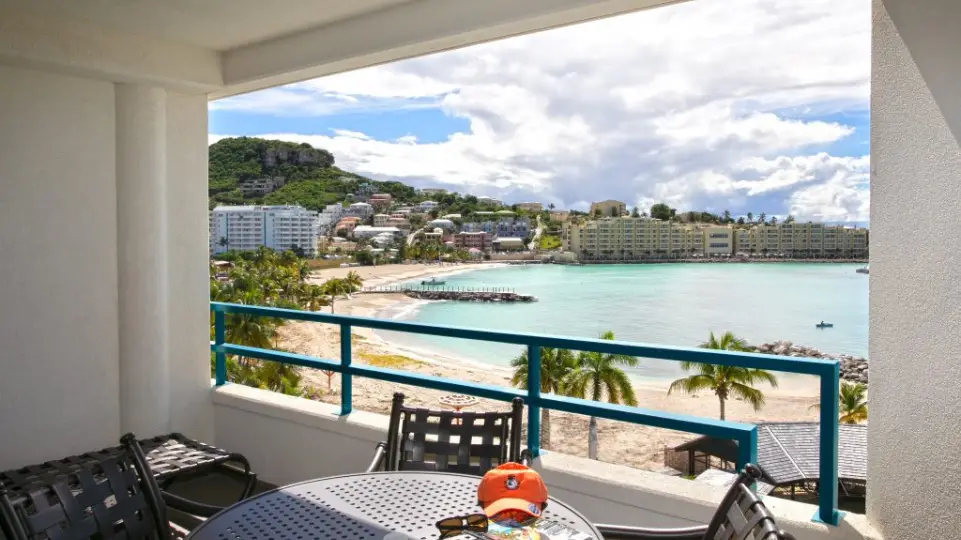
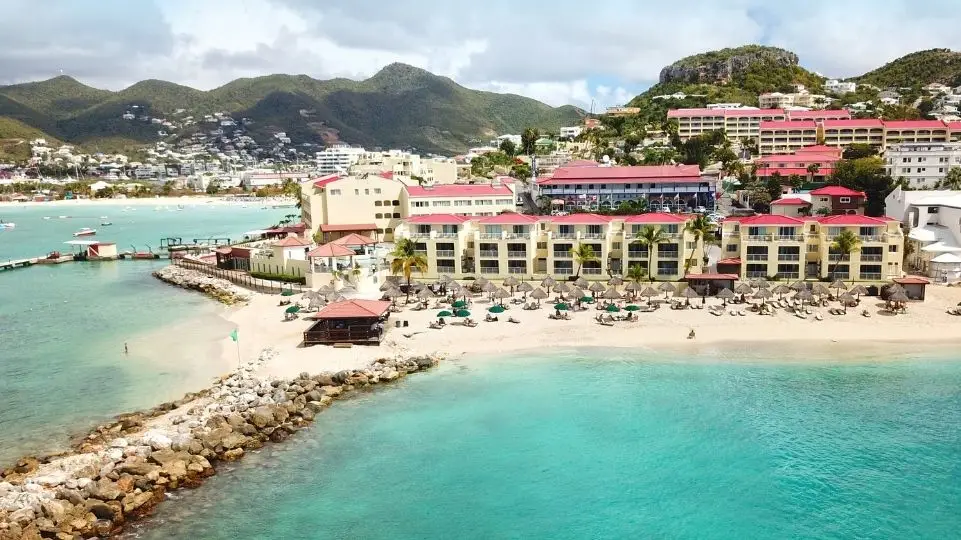
Close to Philipsburg, the island’s capital, two established resorts offer timeshare accommodations along Little Bay Beach: Divi Little Bay Beach Resort and Belair Beach Hotel.
Their location provides easy access to shopping, restaurants, and the historic center of Philipsburg while offering a beachfront resort setting.
Maho is one of St. Maarten’s best-known areas, famous for its namesake Maho Beach, nightlife, restaurants, and proximity to Princess Juliana International Airport.
The area is home to two purpose-built timeshare resorts: Royal Islander La Plage and Royal Islander La Terrasse.
These resorts combine a traditional Caribbean vacation setting with easy access to the entertainment and dining options of Maho.
Sapphire Beach Resort is located in Cupecoy, an area known for dramatic sunsets, rocky coastline, nearby beaches, restaurants, and marina facilities.
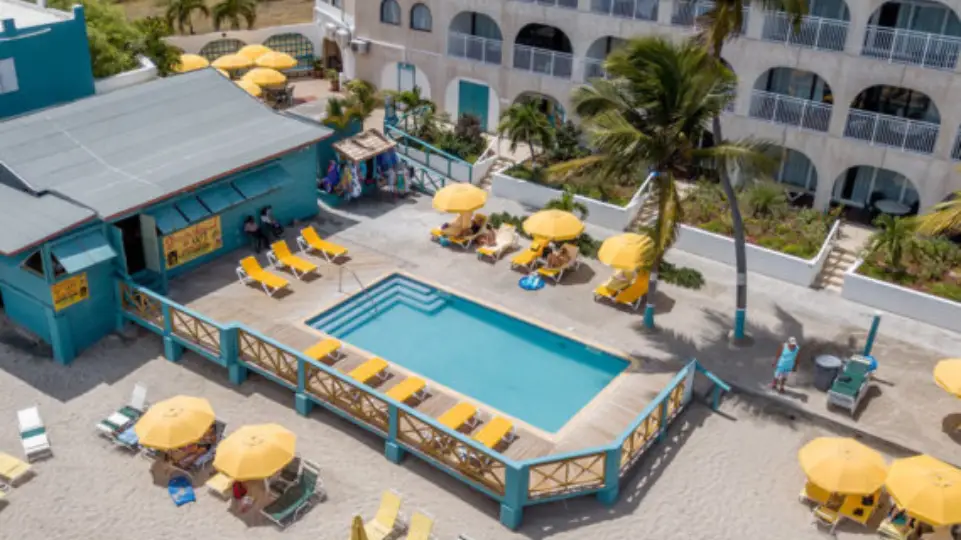
Oyster Bay Beach Resort offers timeshare accommodations in the Oyster Pond area, overlooking its namesake bay.
On Dawn Beach, the JW Marriott— formerly the Westin Dawn Beach Resort — has Dawn Beach as a dedicated timeshare resort.
The largest concentration of timeshare resorts can be found around Simpson Bay and Pelican Key.
This area includes Simpson Bay Resort & Marina, the largest timeshare property on St. Maarten, LaVista Resort, Atrium Resort, Hilton Grand Vacations Royal Palm and Flamingo Beach Resorts.
The popularity of this area is easy to understand. Simpson Bay is centrally located, close to beaches, restaurants, nightlife, shopping, the airport, and many of the island’s most popular activities.
Yes. The timeshare product is developed and the SMTA provides an active lobby for the quality of the product.
Yes. The hotel and timeshare product are near equal except for its ownership factor. All timeshare resorts have identical rooms to the timeshare product available for free independent travelers.
Yes. Many resorts have timeshare ownership options. The St. Maarten (Dutch side) timeshare community is an active one, with media sharing news, island information and timeshare resales options.