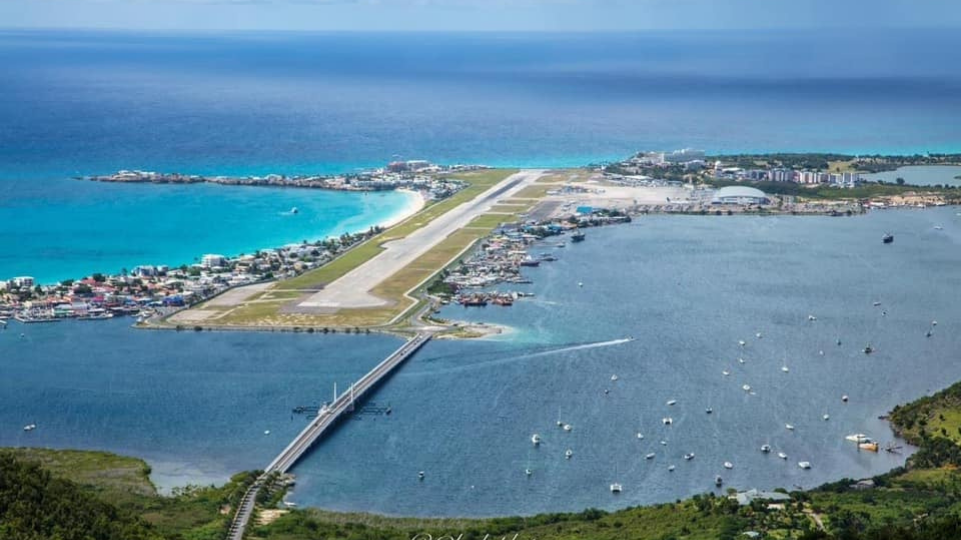
St. Maarten has long positioned itself as one of the Caribbean’s most internationally connected business destinations. Known for its strategic location between North America, Latin America, and Europe, the island serves as both a tourism hub and a gateway for regional commerce and services.
Sint Maarten operates under a Dutch-based civil law system, which provides a structured and predictable legal framework for commercial activities. Businesses are generally established through formal incorporation procedures and are subject to local corporate, licensing, and compliance requirements.
Foreign investors commonly use legal entities such as:
The incorporation process of a local entity involves a civil law notary, who prepares and executes the incorporation deed and corporate documentation. Following incorporation, businesses are required to register with the Sint Maarten Chamber of Commerce and Industry.
Because regulatory requirements can vary depending on the intended activities, entrepreneurs are generally advised to evaluate licensing and operational requirements at an early stage of the planning process.
Businesses operating in Sint Maarten are subject to several forms of taxation and compliance obligations. While the tax framework is relatively straightforward, companies are expected to maintain proper accounting records and meet local filing requirements. Some of the principal taxes include:
Qualifying foreign employees may upon request qualify for the ‘expat status’. Under this status they can enjoy a lower effective tax rate with application of a net wage agreement, as well as receive an exemption on certain fringe benefits.
New or future residents of Sint Maarten who are 50 years of age or older may qualify for substantial tax savings through the Penshonado Regime. This tax incentive applies a favourable 10% personal income tax rate or a flat taxable amount of XCG 500,000 to qualifying foreign-sourced income, provided all statutory criteria are met.
Tax holidays in Sint Maarten are an incentive program that grants temporary tax relief to qualifying businesses or investment projects that are expected to benefit the island’s economy. It is important to note that a tax holiday does not mean a company pays no taxes at all. Certain taxes, such as wage taxes and social premiums, are not reduced.
Tax holidays only apply to assigned projects upon approval and generally requires an investment amount of 250k, 1m or 2m. Next to that job creation requirements and evidence that the economic base of the island is expended may apply. Approval is discretionary and must be granted by the Minister of Finance.
Immigration and workforce planning are important considerations for foreign entrepreneurs relocating to or operating in Sint Maarten. Processing timelines for permits and registrations can vary considerably, making early planning essential for businesses intending to relocate staff or commence operations within a fixed timeframe.
Foreign nationals who intend to live and work on the island generally require residence and work permits. Applications are typically handled through the relevant immigration and labor authorities, and processing times can vary depending on the applicant’s nationality, documentation, and business activities.
The timeline depends on the complexity of the structure, documentation readiness, and licensing requirements. In straightforward cases, incorporation and registration may be completed within several days to a few weeks, while regulated businesses may require additional approvals and longer timelines.
Not necessarily. Foreign investors may own companies in Sint Maarten without permanently residing on the island. However, depending on the nature of the business, local management, operational presence, licensing, or immigration considerations may still apply.
The principal business taxes generally include profit tax, turnover tax, wage tax, and social premiums. Businesses may also have annual filing and accounting obligations depending on their activities.
Yes, although foreign employees typically require work permits and immigration approval. Employers may also need to demonstrate efforts to recruit locally before certain permits are granted.
One common issue is conducting business activities in Sint Maarten through a foreign entity without properly registering locally or complying with local tax, licensing, payroll, or immigration obligations. Businesses should ensure that their operational structure aligns with their actual activities on the island.
Doing business in St. Maarten can offer significant opportunities for international entrepreneurs, investors, and service providers seeking a Caribbean presence. At the same time, success often depends on proper planning, compliance awareness, and understanding the island’s legal, tax, and operational environment from the outset.
For businesses considering expansion into Sint Maarten, obtaining local legal, tax, and regulatory guidance early in the process can help avoid delays and ensure a smoother market entry.
Back to Main Page of Visit St Maarten / St Martin