The Prince Behind Prince’s Quarter: A Royal Voyage That Reached Sint Maarten
A Royal Visit
On the eastern side of Sint Maarten, between Philipsburg and the French border, a name from the island’s past remains on today’s maps: Prince’s Quarter. Though names like Point Blanche, Oyster Bay, Dutch Quarter and those of the areas in between are more common in daily language, Upper and Lower Prince’s quarter are still used in various contexts and atlases.
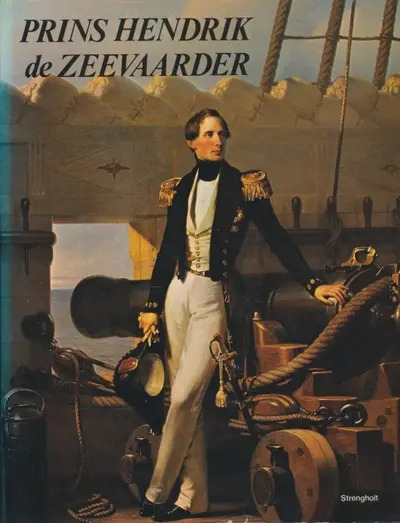
The district was named after Prince Willem Frederik Hendrik (Hendrik or Henry for short) of Orange-Nassau, a young Dutch royal who visited Sint Maarten in 1835. The area is divided into Upper Prince’s Quarter (the hilly area along the eastern coast) and Lower Prince’s Quarter (west of this area and north of Philipsburg).
Hendrik was born in 1820 as the youngest son of the future King Willem II of the Netherlands and Grand Duchess Anna Pavlovna of Russia. From an early age, he was drawn to the sea. At 10, he received his first rank in the navy. At 13, he began naval training, starting a lifelong connection with the Dutch navy and overseas territories.
In 1835, at the age of 15, Hendrik sailed to the Caribbean aboard the Dutch naval frigate Maas as part of a West Indies voyage. The journey brought him to Dutch Caribbean colonies, including Sint Maarten. For a young prince, the voyage was both an education in seamanship and an introduction to the far reaches of the Dutch kingdom. Private teacher and marine officer Pieter Arriens would accompany him on his worldwide travels, and also to St. Maarten.
Hendrik was the first member of the House of Orange to set foot on St. Maarten, but by far not the last. Amongst others future Queen Juliana would visit the island during the second world war, and her daughter Beatrix would visit amongst others to reopen the airport named after her mother. King Willem Alexander visited the island multiple times since his coronation in 2013.
At the time of his arrival, the island was divided between Dutch and French rule, a unique arrangement dating back to the 17th century. Contrary to today, with St. Maarten being an autonomous country within the Kingdom of the Netherlands, it pertained to direct colonial rule. On the Dutch side, Philipsburg served as the administrative and commercial center, while surrounding areas developed around plantations, agriculture, and smaller settlements. Slavery was still in practice, as the Dutch would abolish it only in 1863 – 15 years after the French.
The district later known as Prince’s Quarter received its name in recognition of Hendrik’s visit. The royal connection became part of the island’s geography, with the name continuing through generations as the community expanded.
Hendrik The Seafarer
Hendrik’s Caribbean journey was only the beginning of a life shaped by travel. After his early naval voyages, he continued to explore the wider world. In 1837, he began a major expedition aboard the naval ship Bellona, traveling toward the Dutch East Indies. The voyage took him through international ports and exposed him to the political and commercial importance of the Dutch maritime empire.
As an adult, Hendrik remained closely associated with the navy. He became commander of the Dutch Navy and was known for supporting maritime development and strengthening links between the Netherlands and its overseas territories. He was given the nickname “the Seafarer” because of his lifelong interest in naval affairs and exploration.
In 1853, Hendrik married Princess Amalia of Saxe-Weimar-Eisenach. After his brother, King Willem III, became monarch, Hendrik remained an important member of the royal family and continued to represent the Netherlands in public and diplomatic roles.From 1850 until his death in 1879, he was appointed Governor of Luxemburg, at this time part of the Kingdom of the Netherlands.
Hendrik died in 1879 in Walferdange, Luxembourg, at the age of 58. He had remarried only 6 months prior. Hendrik was buried in the Royal Crypt at the Nieuwe Kerk in Delft, the traditional burial place of the Dutch royal family.
Back to VISIT St Maarten / St Martin Main Page